Community projects
Community projects we plan to support.
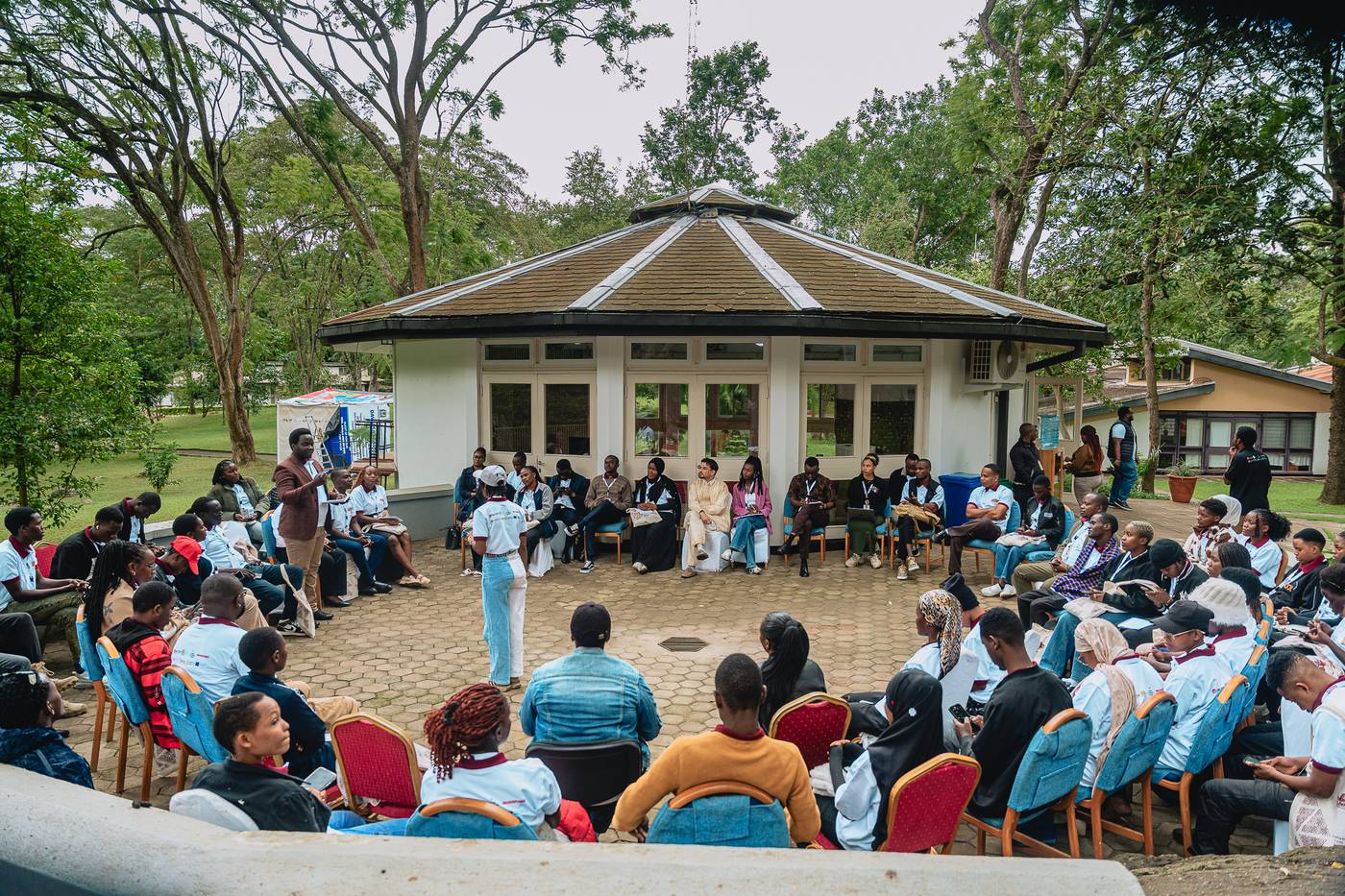
Cross-border teams will design and run 16 or more community projects during the exchange. These are the six tracks we plan to work within, with example ideas only — no project has started yet.
Planned project tracks
Planned track
Climate Action
Teams pilot practical local responses to a regional climate problem, chosen with the host community rather than for it.
Example ideas
- Tree planting
- River and lake clean-ups
SDG 13SDG 14
Planned track
Waste to Wealth
Small enterprise experiments that turn discarded material into something worth selling, built to outlive the exchange.
Example ideas
- Recycling collectives
- Upcycling enterprises
SDG 12
Planned track
Civic Engagement
Work that puts young people and local officials in the same room with a specific issue on the table.
Example ideas
- Civic education sessions
- Youth town halls
SDG 16
Planned track
Cultural Preservation
Recording and reviving living heritage before it is lost, with the knowledge holders leading the process.
Example ideas
- Recording languages, songs and crafts
SDG 11
Planned track
Indigenous Knowledge
Documenting land, water and farming knowledge held by elders and putting it back into community use.
Example ideas
- Community archives
- Elder knowledge sharing
SDG 15
Planned track
Youth Mentorship
Peer-to-peer structures so participants keep teaching each other long after the fourteen months are over.
Example ideas
- Peer mentoring
- Skills clubs
SDG 4
All six tracks are plans for the first cohort cycle. Example ideas illustrate the kind of work teams might choose; actual projects will be set by mixed-nationality teams together with host communities, subject to funding.
Method
How projects will work
Mixed-nationality teams
Each team pairs participants from different countries with residents of the host community from day one.
A five-day sprint
Teams move from problem framing to a working prototype in five days, with checkpoints rather than lectures.
Mentoring and a final showcase
Local practitioners mentor each team, and every sprint ends in a public showcase the community can attend.
Every stage above is planned and subject to funding. Seed budgets, host communities and project selection will be confirmed with the first cohort before any work begins.
Want to propose or support a project?
If you are a young organiser with a community problem worth a five-day sprint, or an organisation able to fund or host one, we want to hear from you before the first cohort starts choosing.